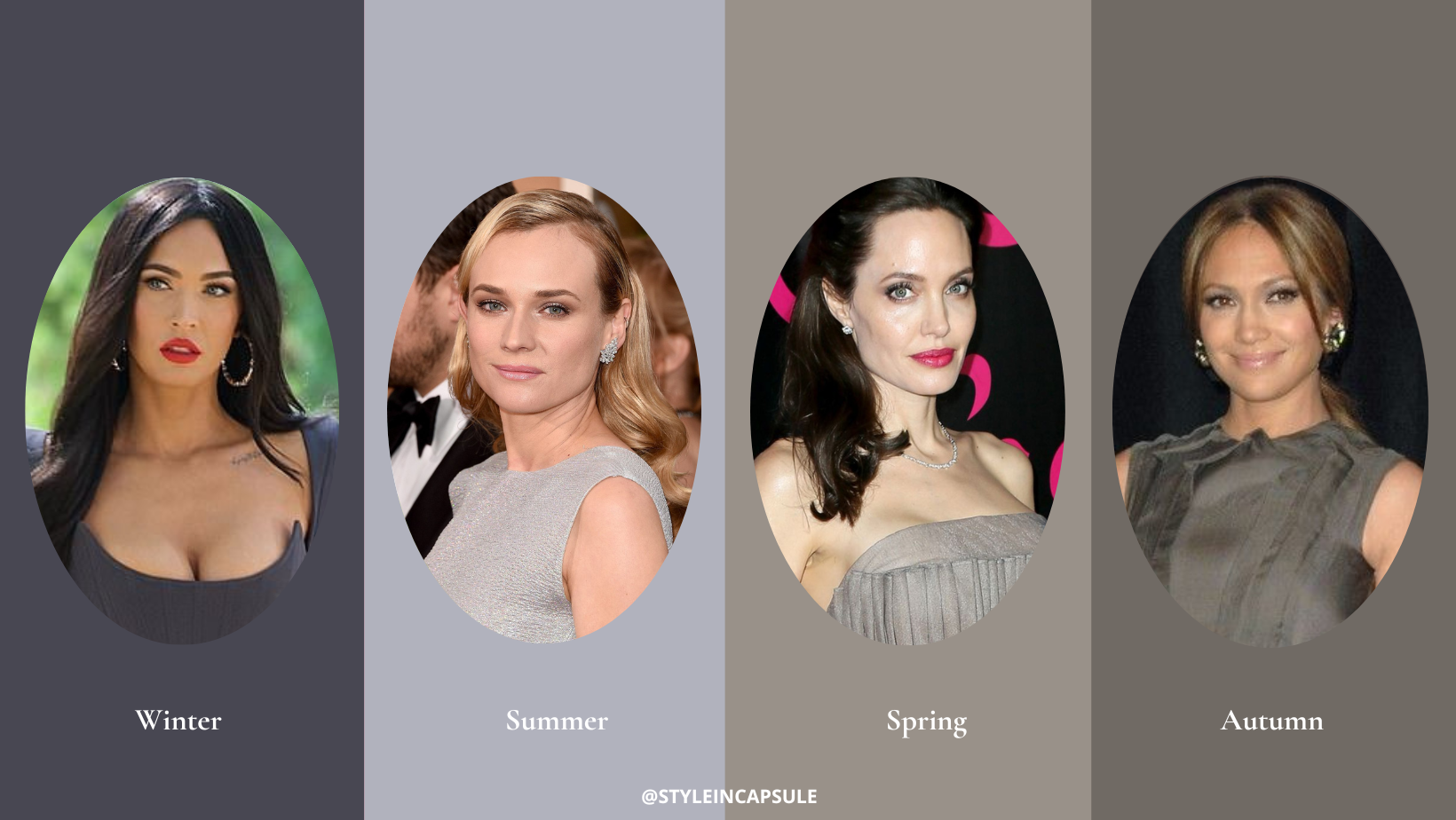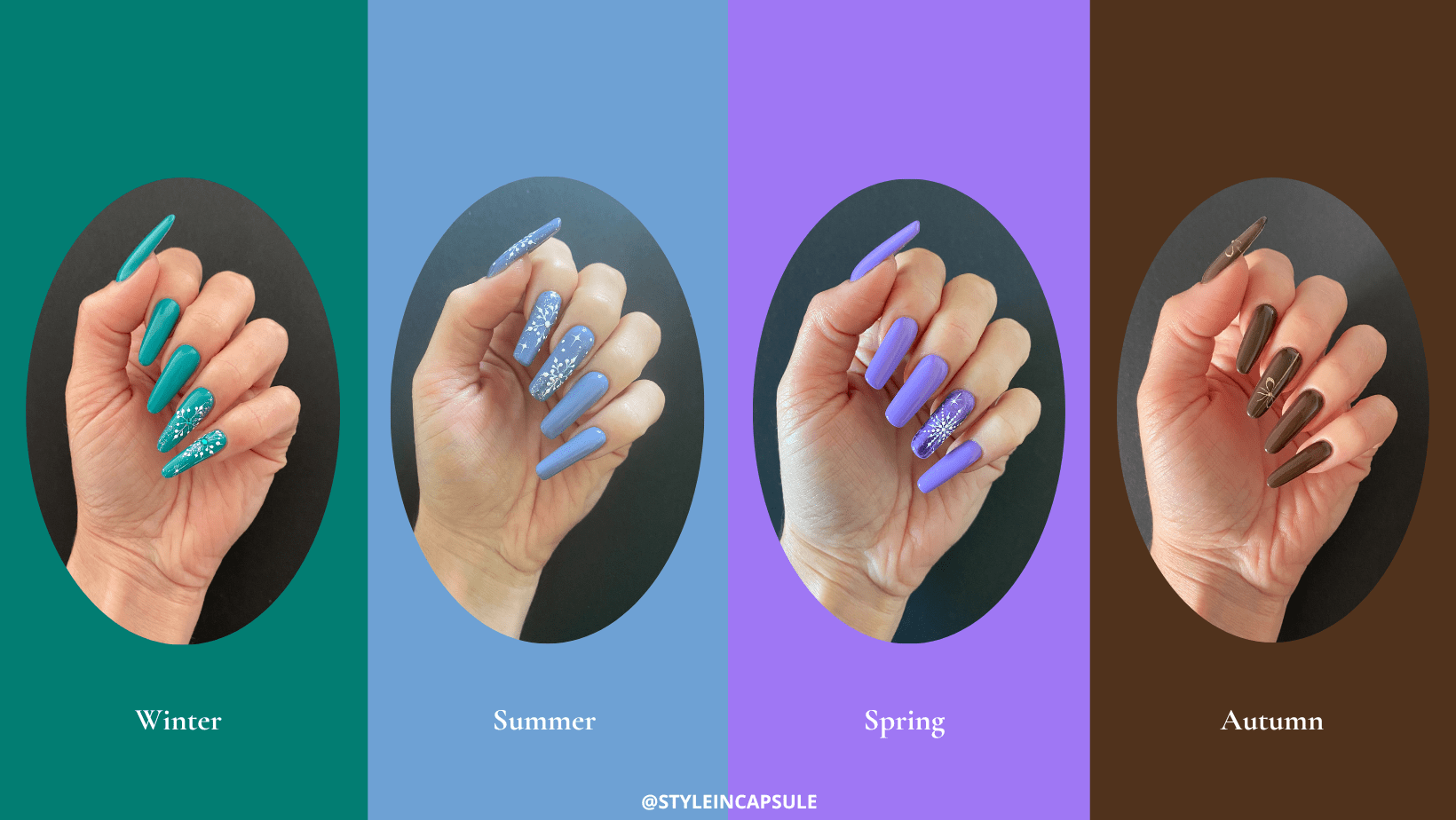
There are scientific reasons why not all colors compliment our natural beauty. The colors we use in our hair coloring, make-up, clothing, jewelry and accessories must be from the same chromatic family as the colors present in our natural coloring to bring out our chromatic characteristics. All colors have specific chromatic features just like all individuals. The more the colors you use are similar in intensity, value and temperature and similar to the colors present in your personal color palette (manifested in your skin complexion, eyes and hair) the more they will harmonize with your coloring.
There isn’t a color that looks good on everyone and there isn’t a color that doesn’t look good on someone. Every subgroup has specific colors that bring out the natural coloring of the individual that is part of that specific sub-season and adverse colors that look disharmonious on her/him. How much a color is valorizing a person depends on the chromatic compatibility between the person and that specific color.
How to understand if the colors you use are in harmony with your chromatic features and if they bring out your coloring?
You must discover what are your chromatic characteristics and learn all about the variables of your colors. They determine your chromatic potential and what colors emphasize specific aspects in your coloring.
WHAT IS THE CHROMATIC POTENTIAL?
The chromatic potential refers to how much intensity and contrast your personal color palette (manifested in your eyes, hair and skin) can tolerate without being overwhelmed and what temperature and chromatic value it can handle. Your chromatic potential depends on the four variables of colors: value, intensity, temperature and contrast present in your chromatic mix.
Here is a guide with illustrations to help you understand the four variables of colors that determine your chromatic potential.
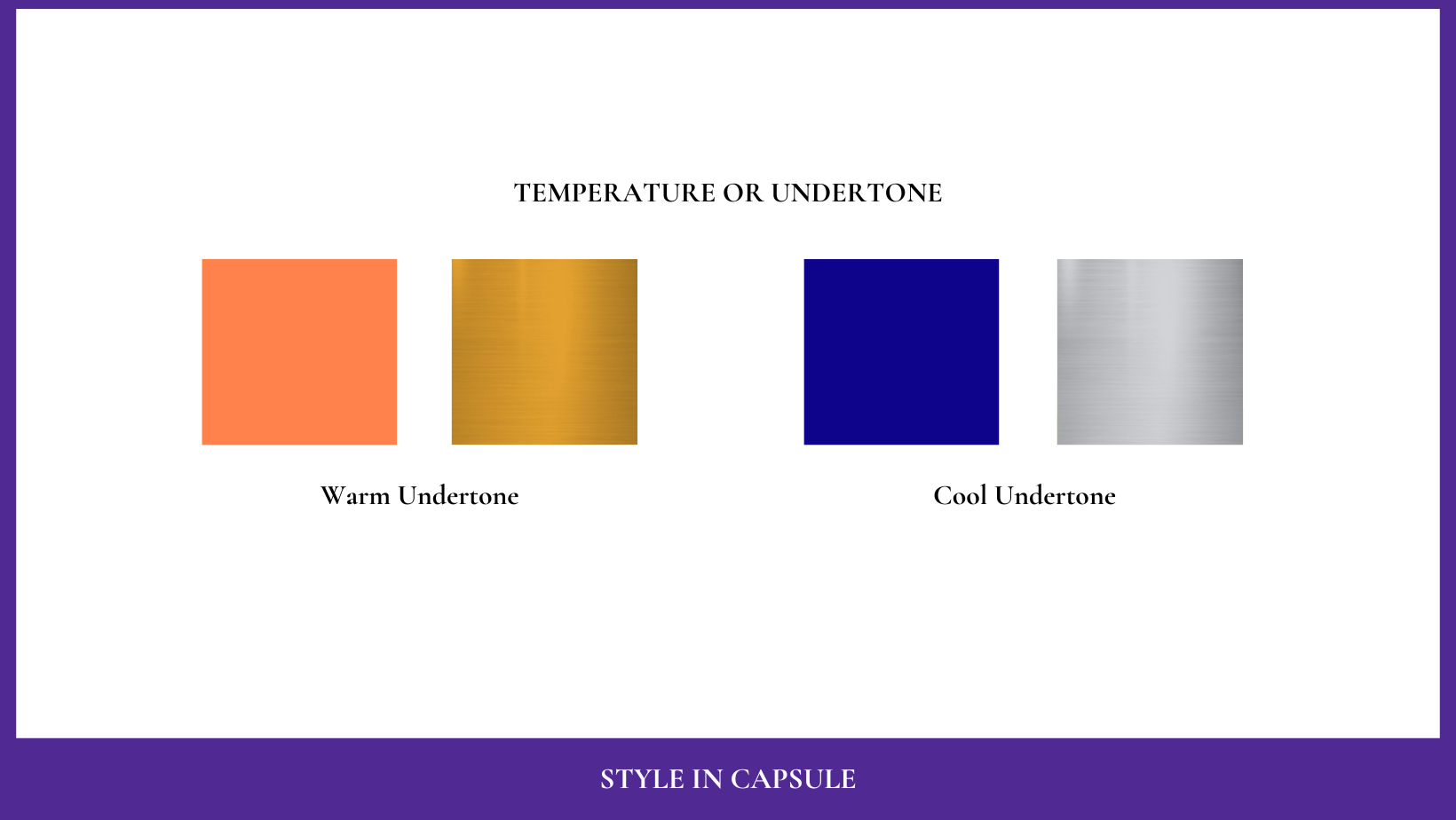
UNDERTONE OR TEMPERATURE
The undertone refers to the temperature of your skin.
There is no neutral undertone; you can have a warm or cool temperature, hence you are either a warm or a cool palette person. Or you can be a “borderline” type, which can be mistakenly classified as neutral, but even as a “borderline” type you still have a temperature, which again can be only cool or warm. The temperature of your coloring tells you if you suit warm or cool colors. The undertone also refers to the colors’ temperature.
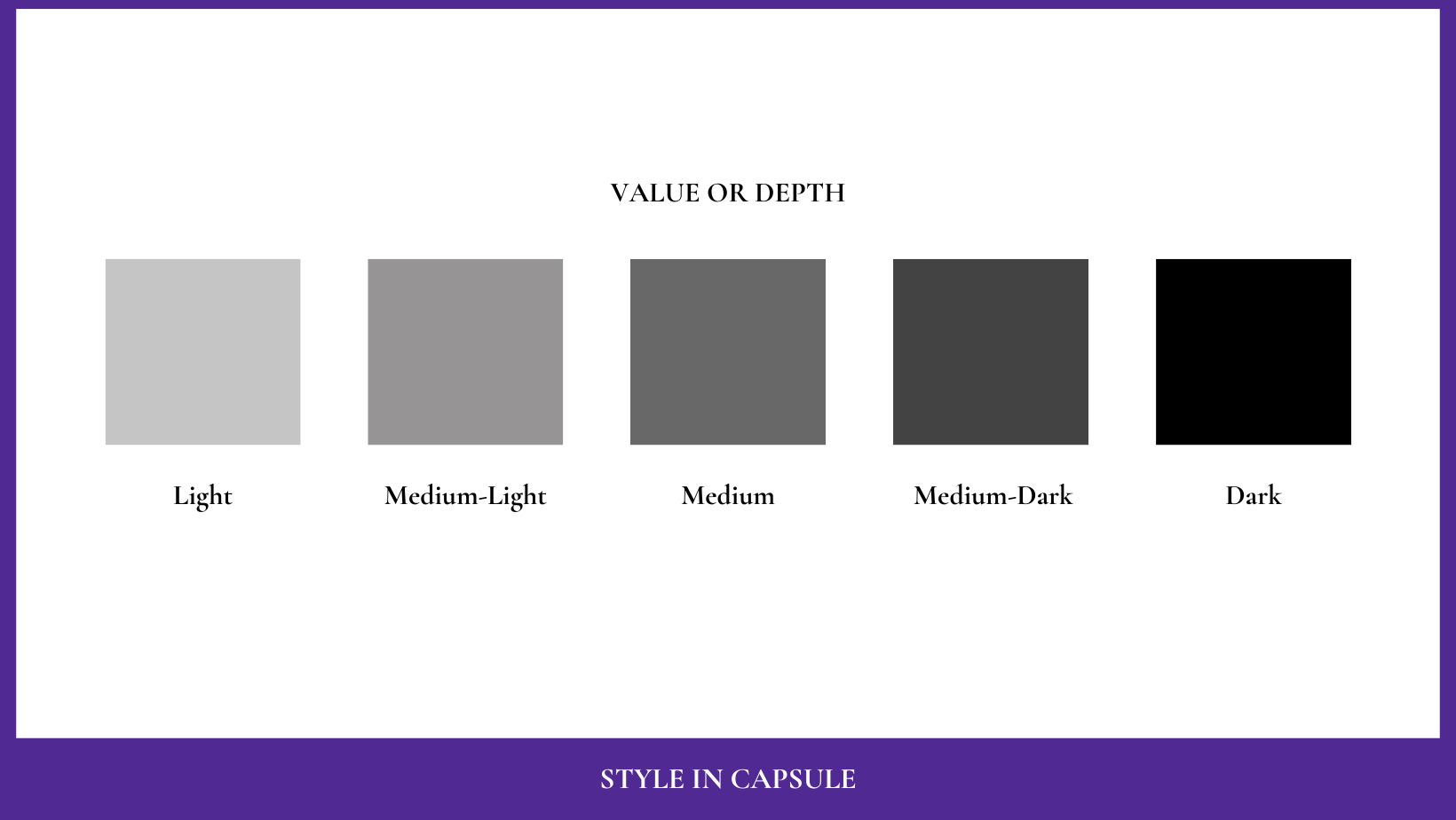
VALUE
The Value refers to the degree of lightness or darkness in a color. The lightness or darkness depends on the quantity of white or black present in the color. Your personal value depends on the quantity of white and black present in your appearance. You can have light, medium light, medium, medium dark or dark value.
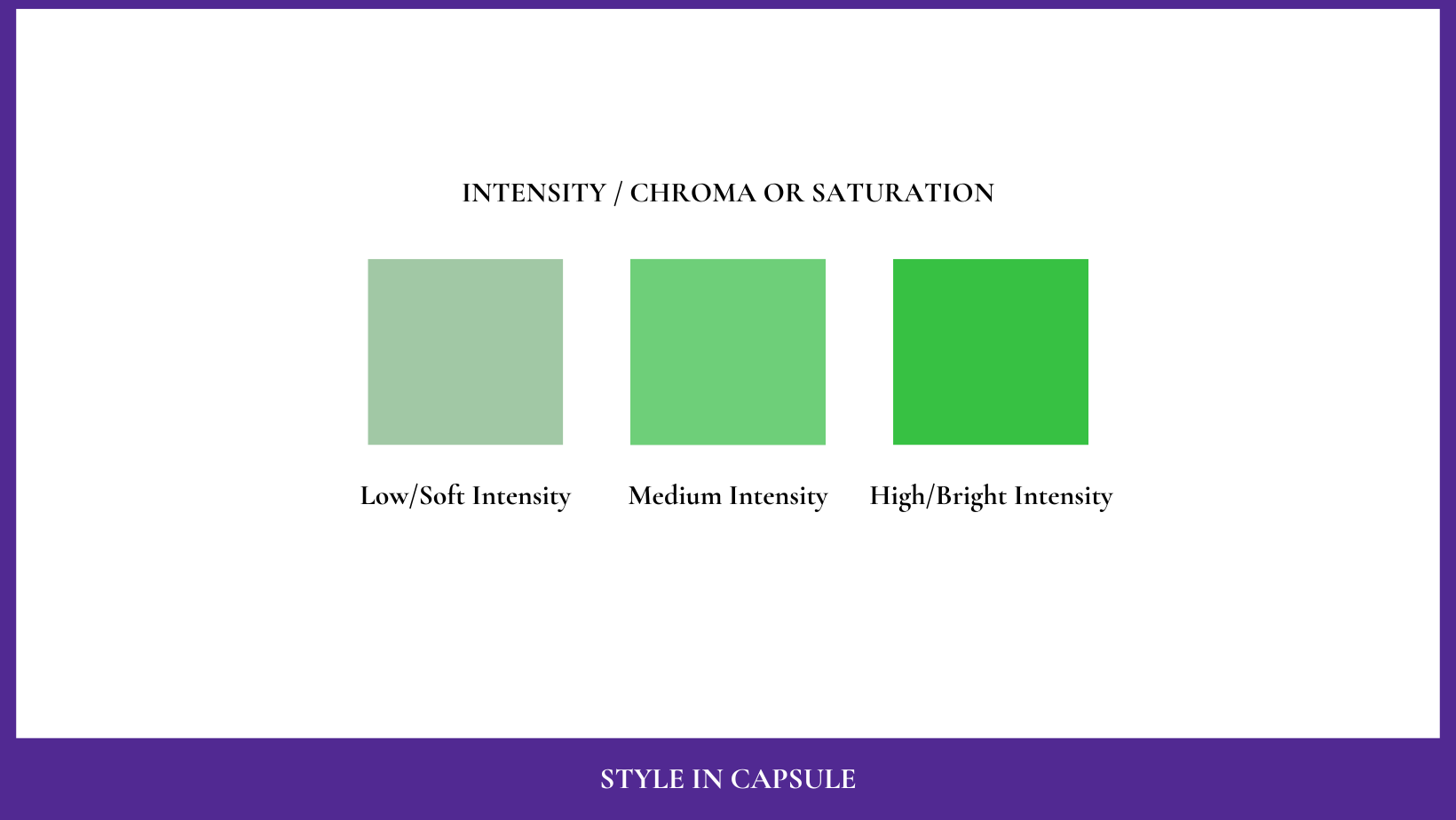
INTENSITY
The intensity defines a color’s saturation. In your coloring, it refers to how bright or muted your colors are. The bright colors have high intensity; they are pure, intense and saturated. In the winter and spring seasons, the colors are bright because these two seasons have high intensity. The soft colors, also called muted, have low chroma; they can be dull, opaque and “dirtied ” by other tones, and we can find them in the Summer and Autumn seasons.
CONTRAST
The contrast is a difference of value in two or more colors. In your personal coloring, it refers to the contrast between the values of skin, hair and eyes. The higher the natural contrast between your chromatic characteristics, the more you will look good with highly contrasting color combinations. The lower the level of your natural contrast, the more you will be enhanced by low-contrasting color combinations.
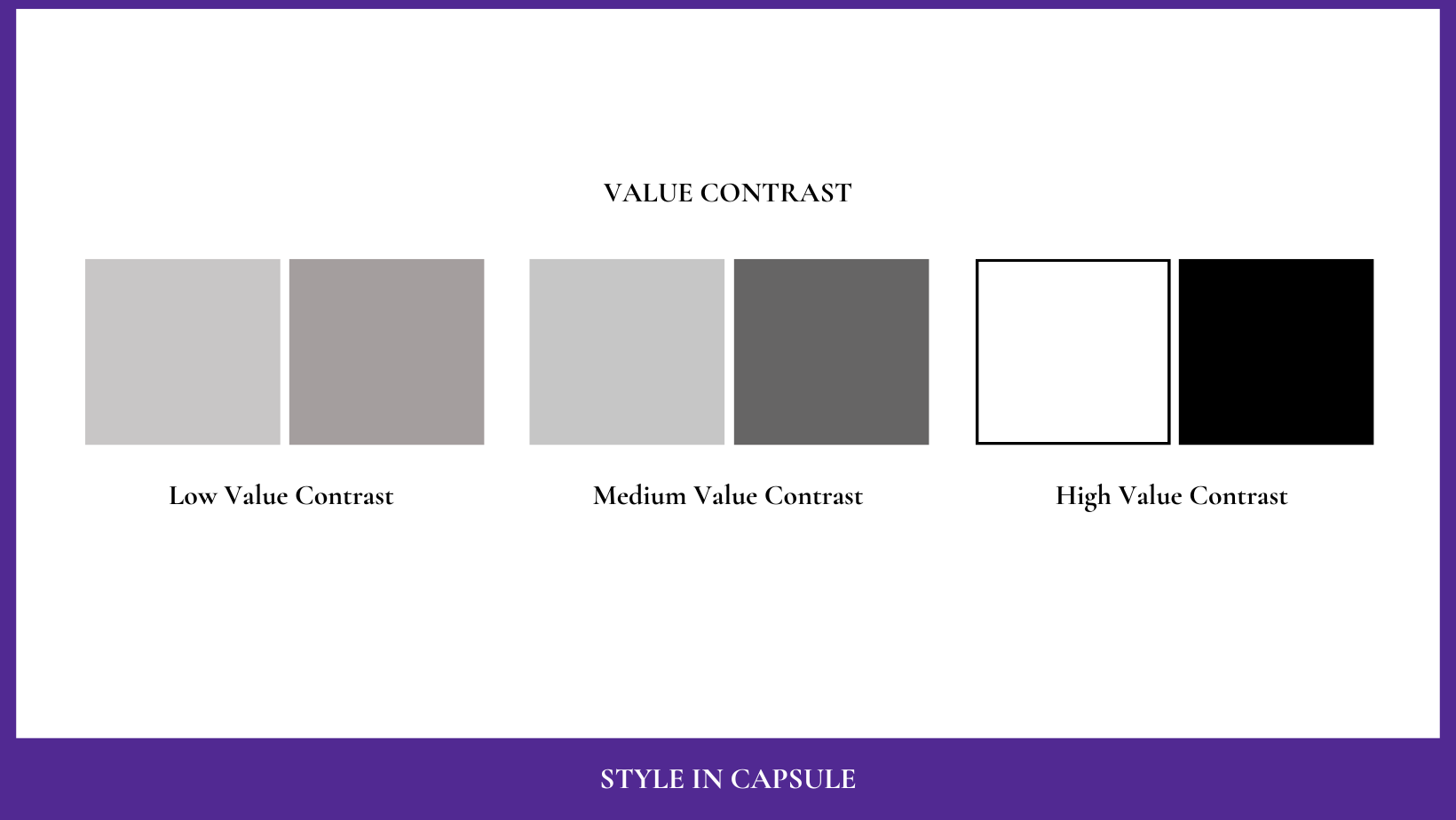
The contrast of your color combos has to be in balance with your natural contrast. There is also a hue contrast which is a difference in hue between two or more colors. The more an individual has a high-value contrast the more it will be enhanced also by a high hue contrast. If a person has a low-value contrast it will be valorized by a low-hue contrast. The contrast you create in the color combinations for clothing and make-up and the contrast in the prints/patterns of clothes and accessories you use have to be balanced with the level of contrast (both value and hue contrast) naturally present in your coloring.
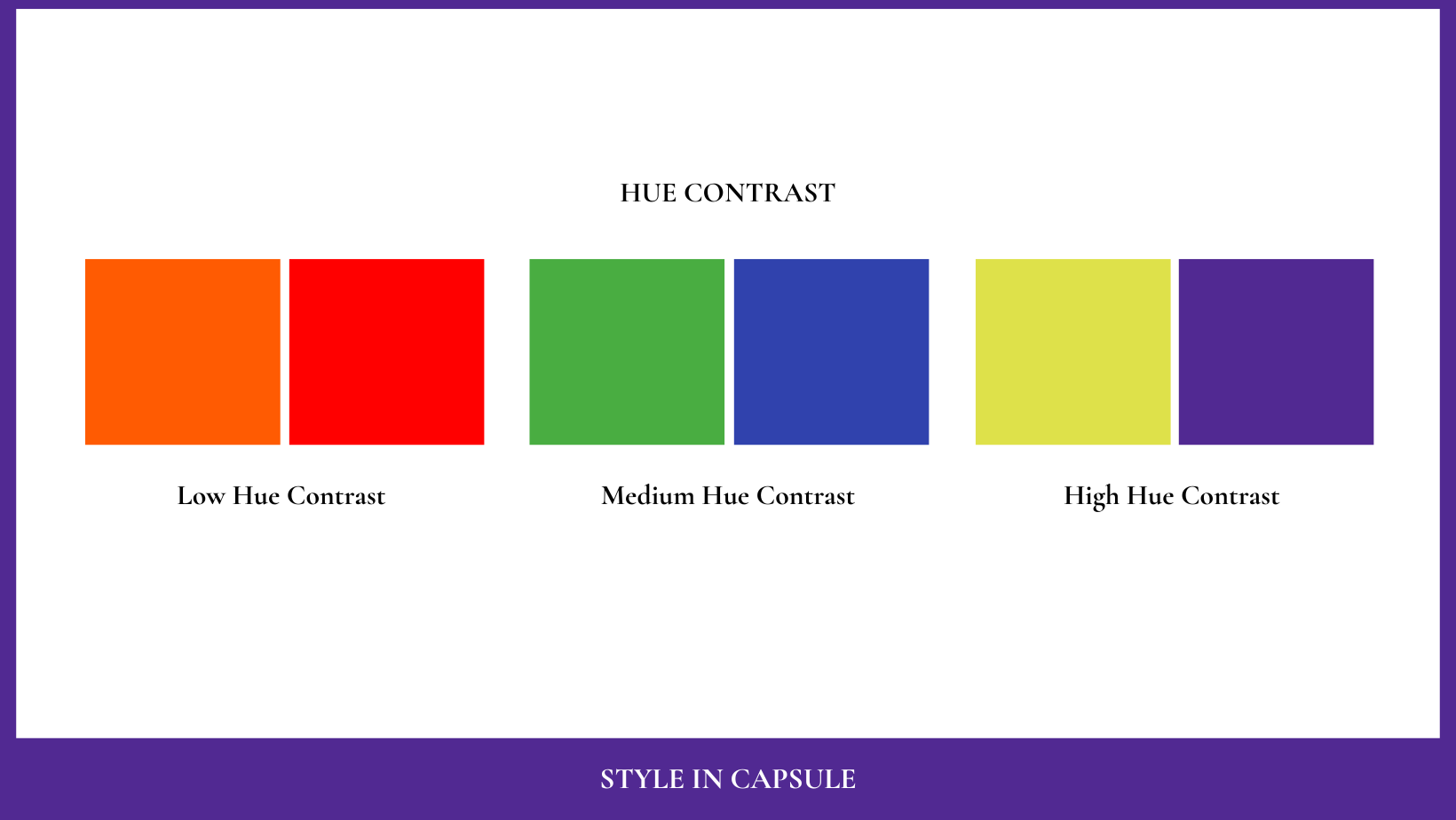
The variables of colors are independent and don’t influence each other. What does it mean?
It means that if a person has a dark value doesn’t necessarily mean that she/he is a winter palette individual, or that if a person has light eyes doesn’t necessarily mean that she/he is a summer palette individual. High chroma is not a proof that a person can only be a spring palette person, low contrast is not a clue that a person can be only an autumn palette person. It is the overall appearance that has to be analyzed to discover the chromatic potential of a person which determines the season of belonging because an individual is not for example a winter palette person if she/he has dark hair, she /he is a winter palette person if her/his personal color palette (manifested in her skin, eyes and hair) can handle the winter colors without being overwhelmed.
The season of belonging is mostly determined by the undertone of the person’s skin and the intensity of her/his colors. In the color analysis, it is the temperature of the skin that commands because it is the most important feature to enhance to look younger, more vibrant and healthy. All the colors in the surrounding environment have to be in harmony with your skin’s temperature, that’s why the hair coloring, the clothing, the make-up and jewelry are so important and if in colors from your palette they will create the perfect environment for you.
UNDERTONE AND OVERTONE
The skin’s temperature is one of the most difficult variable of the colors to identify because of the overtone of the skin. What is the overtone and what are the differences between the undertone and overtone? As we said before the undertone is the temperature of your skin while the overtone is the coloring of your outward appearance. It is the most superficial layer of your skin, the one we perceive at first glance. It can be pinkish, yellowish, olive, amber, etc. The undertone can’t change, if you are a warm palette person, you will always be warm. The overtone thanks to the tan can change the value of a person’s coloring. There are individuals that have the overtone and undertone with the same temperature and in that case the drapes or frames test will be easier. But there are also some individuals that can have a yellowish overtone but cool undertone (this is the case of the winter deep palette person and the summer soft palette person), or a pinkish overtone and warm undertone (this is the case of a person with red hair coloring). The difficulties in these cases can lead to mistakenly determining the season of belonging but always remember that the one important between these two aspects of the skin to determine your color season is the undertone or temperature of the skin. It depends on it if you react better to cool or warm colors, not to the overtone or the tone (which is the value of the skin).
CASE STUDY – KATY PERRY
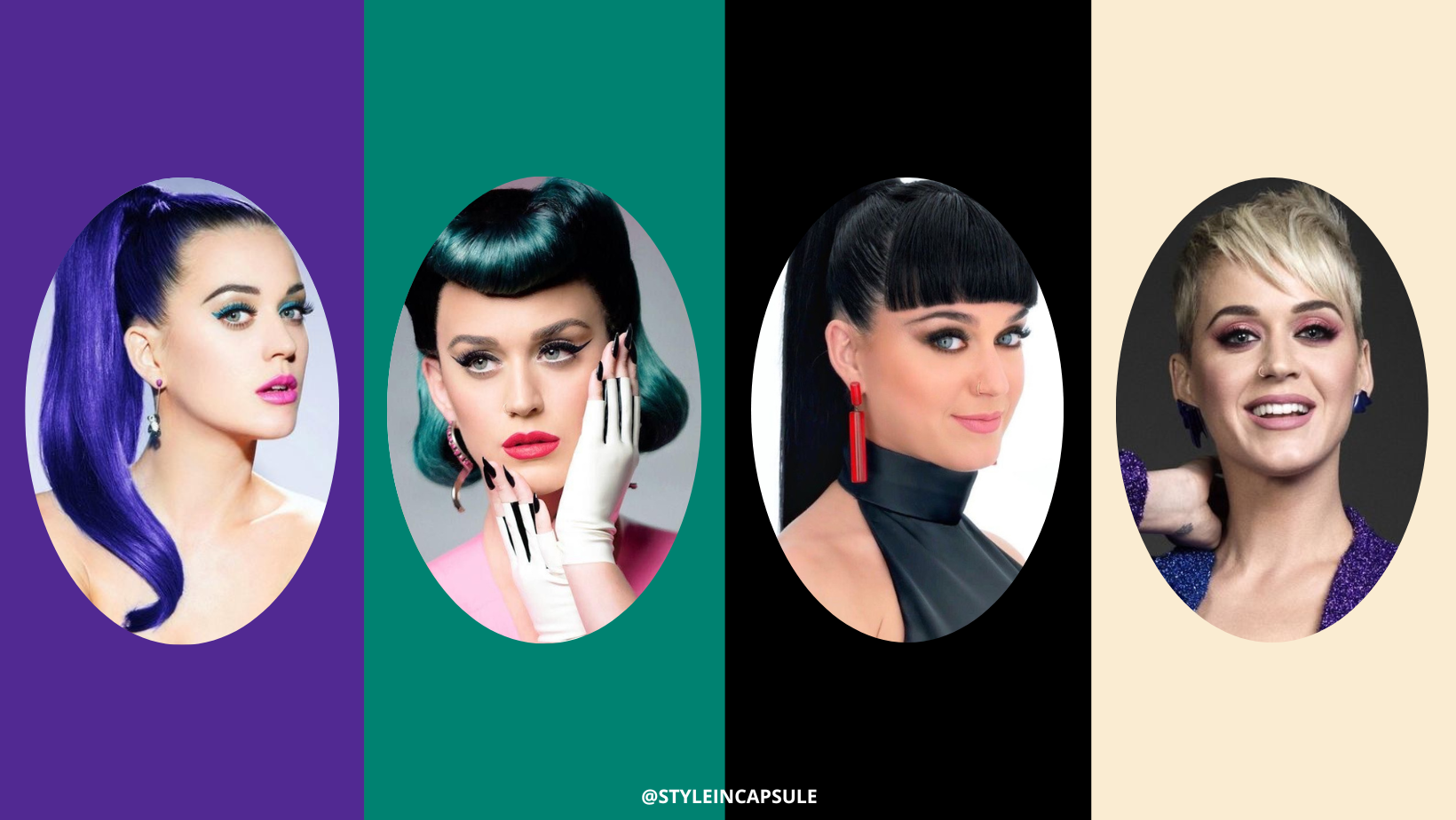
Photos by Pinterest
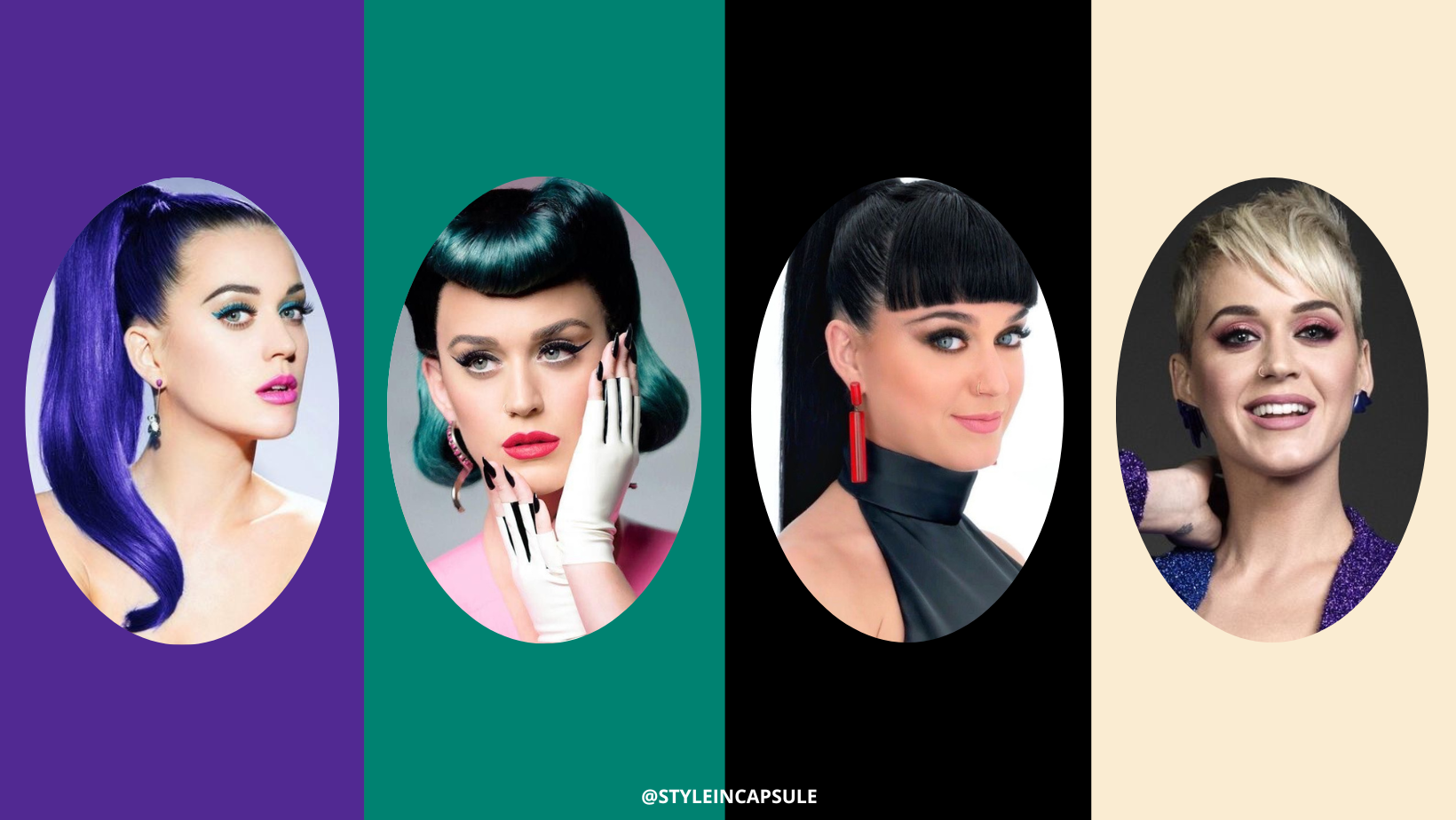
Katy Perry is a perfect example to help you understand what we mean by chromatic potential. She belongs to the winter season, more specifically to the “winter bright” subgroup not only because she has a cool undertone and bright intensity but because she handles perfectly the brightest colors of the winter season. We’ll analyze what is the best hair coloring for her, which is one of the best ways to discover the chromatic potential of a person. We’ve seen her hair coloring change so many times these years. She’s been blonde, with brown hair, black and with a lot of unusual hair colorings. During the color analysis and the draping test the contrast naturally present in her coloring (between her eyes, hair and skin tone) and her skin’s temperature indicate that she can handle a darker hair coloring because her intensity is so bright that can tolerate even black hair coloring and also some unusual bright colors such as blue, green and violet. She can handle bright colors also in her make-up, jewelry, clothing and accessories. To simply put, her coloring needs colors with bright intensity and cool temperature and highly contrasting color combinations to highlight her coloring because they mimic her chromatic characteristics. In the last image we can notice that blonde hair doesn’t bring out her coloring and it lowers her color contrast. Even if she is wearing violet earrings and clothes in violet color (which by the way is her power color) it is not enough to highlight her natural chromatic characteristics because the hair is close to the skin’s temperature on the face and it influences her coloring and appearance. That is way it is so important that the hair coloring matches all the natural chromatic characteristics of a person. As we said before, the chromatic potential refers to how much intensity and contrast your personal color palette (manifested in your eyes, hair and skin) can tolerate without being overwhelmed and what temperature and chromatic value it can handle, and you can discover it only with a professional color analysis because the chromatic potential is not visible to the naked eye.
CASE STUDY – HAILEY BIEBER
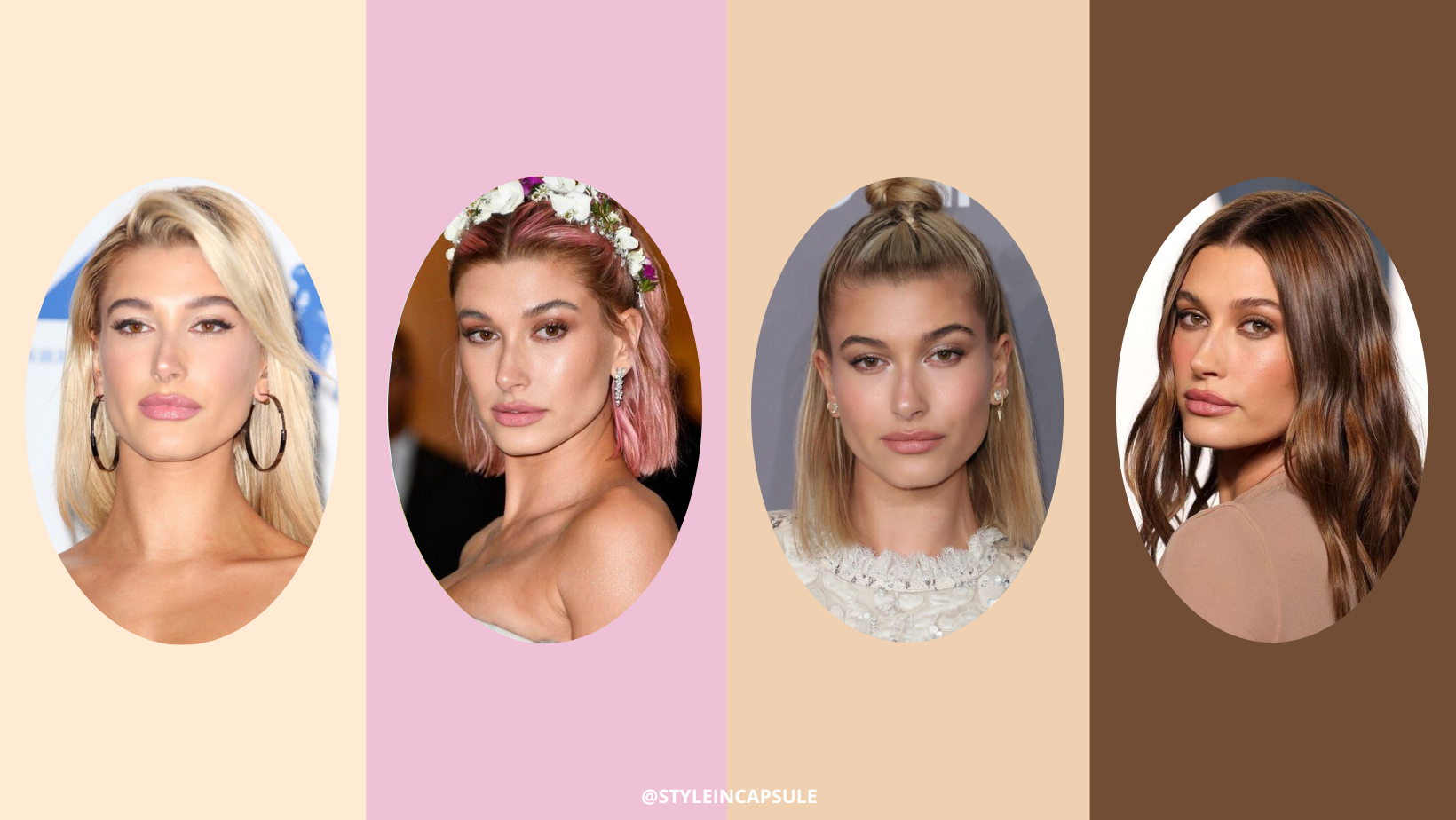
Photos by Pinterest
Hailey Bieber is another example of what the chromatic potential is. She belongs to the Summer Season, most precisely to the “summer soft” subgroup. This sub-season is the only one between all sixteen subgroups that can handle both the silver and antiqued gold metals and that depends on its chromatic potential. The “summer soft” palette person flows into the “autumn soft” subgroup and thanks to the autumn influence and the yellowish overtone it can tolerate some warm colors. Both sister seasons (“summer soft” and “autumn soft” seasons) are the most muted subgroups and are a blend of summer and autumn but while the “summer soft” can handle the cool and soft colors from the summer seasons and some warm and soft colors from the autumn season also in the hair coloring, the “autumn soft” leans more towards the autumn season and can look washed out with a cool hair coloring. The “autumn soft” palette person cannot handle the silver metal because it is too cold for her/his warm appearance. The undertone’s ambiguity is an exclusive feature of a “summer soft” palette person because of its chromatic potential. Thanks to it, as we can see in the images illustrated above, Hailey is valorized by both cool and soft hair colorings (from her subgroup) and warm and soft hair colorings (from her sister palette).
CASE STUDY – NICOLE RICHIE
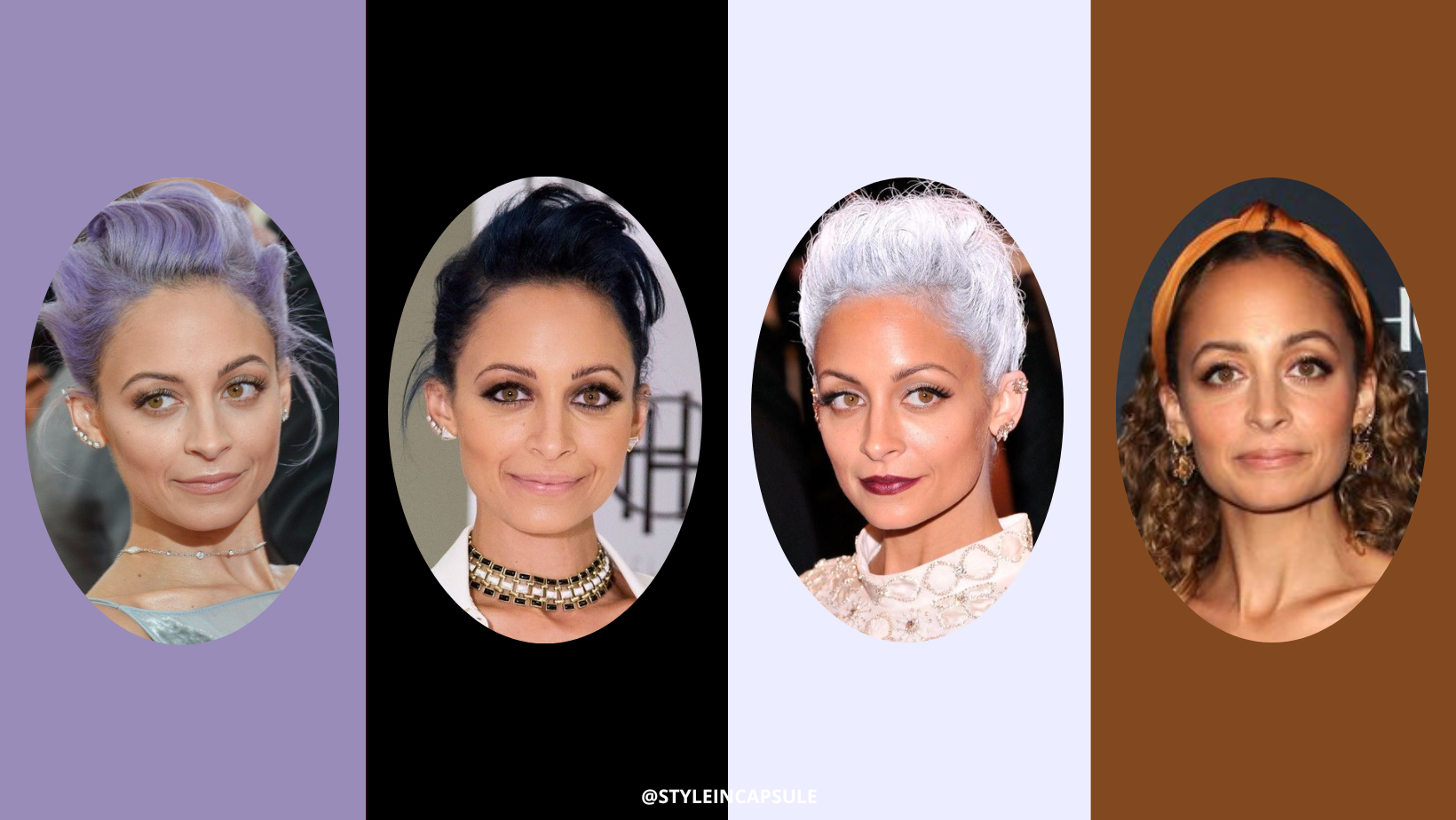
Photos by Pinterest
The third case study is about Nicole Richie which is an “autumn soft” palette person. As we said before “autumn soft” and “summer soft” are sister palettes because they share the aspect of “Softness” and because of that they share some soft colors. However, the coloring of an “autumn soft” palette person is not as flexible as the one of a “summer soft” palette person and that depends on the chromatic potential. The “autumn soft” palette person may handle some cool and soft colors in the clothing because her dominant aspect is the “softness” but it cannot tolerate a hair coloring with a cool undertone. Among the four images illustrated above, we can notice that she handles perfectly the warm hair coloring in the last image, while the first three hair colorings are with a cool undertone and clash with her warm coloring. The coloring of an “autumn soft” palette person has more walnut, gold and honey pigments which is why she needs mostly warm and soft colors.
CONCLUSION
The more you are knowledgable about your chromatic characteristics the more you can leverage the power of your best colors. There are many benefits once you discover your chromatic potential. You will know how deep you can go with the intensity with the lipsticks, you will know what is the proper foundation makeup for you (for which you have to take in consideration the undertone but mostly the overtone of the skin), you will know which is the hair coloring that emphasizes the most your natural coloring, and what make-up brings out the level of contrast naturally present in your personal color palette. You will discover what color of jewelry and precious stones highlight your natural beauty and create a harmonious environment for you. You will learn what are your best colors for clothing and accessories to create outfits “in palette”. And last but not least your will learn about your color contrast which will help you to create the best color combos for the level of contrast naturally present in your coloring.
The color harmony creates attractiveness and will increase your confidence in your image, because color harmony and confidence are interconnected. The more you will feel valorized the more you will like yourself and the more self-confident you will feel. Colors are seductive but only if they harmonize with your natural coloring and if they emphasize your chromatic potential.